

To celebrate social prescribers’ day, we wanted to shine a light on some of our social prescribers at NPC. At its heart, social prescribing is about seeing the whole person, not just their medical needs. Social prescribers work alongside individuals to understand what truly matters to them, their goals, challenges, and the social factors affecting their wellbeing, and then connect them with the right support within their community.
A social prescriber might help someone find a local support group, access financial or housing advice, join a creative activity, or rebuild confidence after a difficult period. Their role acknowledges that a person’s health can be shaped by non-medical issues.
Many people face loneliness, financial pressures, mental health challenges, or long-term conditions that can’t be addressed by medicine alone. Social prescribers help address these broader issues, empowering individuals to take control of their well-being.
As we celebrate Social Prescribers Day, we are proud to share the voices and experiences of two of NPC’s social prescribers. Through their stories, we hope to shine a light on the compassion, creativity, and impact that define this essential role.
Dianne Ellis
I’ve spent much of my working life supporting people of all ages with complex needs, and I’m truly passionate about helping individuals live their best lives. I bring energy and enthusiasm to my role, but more importantly, I bring understanding, both professional and personal.
A large part of my career has focused on supporting people affected by domestic abuse and sexual violence. I have worked with adults in a wide range of abusive situations, helping them navigate services and offering both practical and emotional support. This is something I care deeply about. I am also an “expert by experience” in domestic violence and child sexual abuse, and I chose to waive my right to anonymity so that others might feel able to come forward and be believed. I’ve had the privilege of speaking at police conferences across North Yorkshire, Teesside, and Durham, sharing insight into the impact of these experiences and why compassionate, informed support matters so much.
I’ve also worked closely with partner organisations through my involvement with the South Tees MARAC board, where we collaborated to achieve the best outcomes for vulnerable individuals. That partnership approach to working is something I continue to value in my role today.
My personal life has also shaped who I am as a social prescriber. I’m a parent to three adult children and a grandparent to seven. Like many families, we’ve faced our own challenges. I supported one of my children through addiction; a journey that took years, patience, and resilience, but ultimately led to recovery and a positive future. I’ve also experienced the heartbreak of supporting a child living with ongoing mental health challenges following the loss of a parent. These experiences have given me a deeper level of empathy and understanding that I bring into my work every day.
I’ve been with NPC for nearly five years, and I can honestly say that I love every minute of this role. No two days are ever the same. The variety of people I meet and the challenges they face mean I am always learning and adapting.
Hayley Dryden
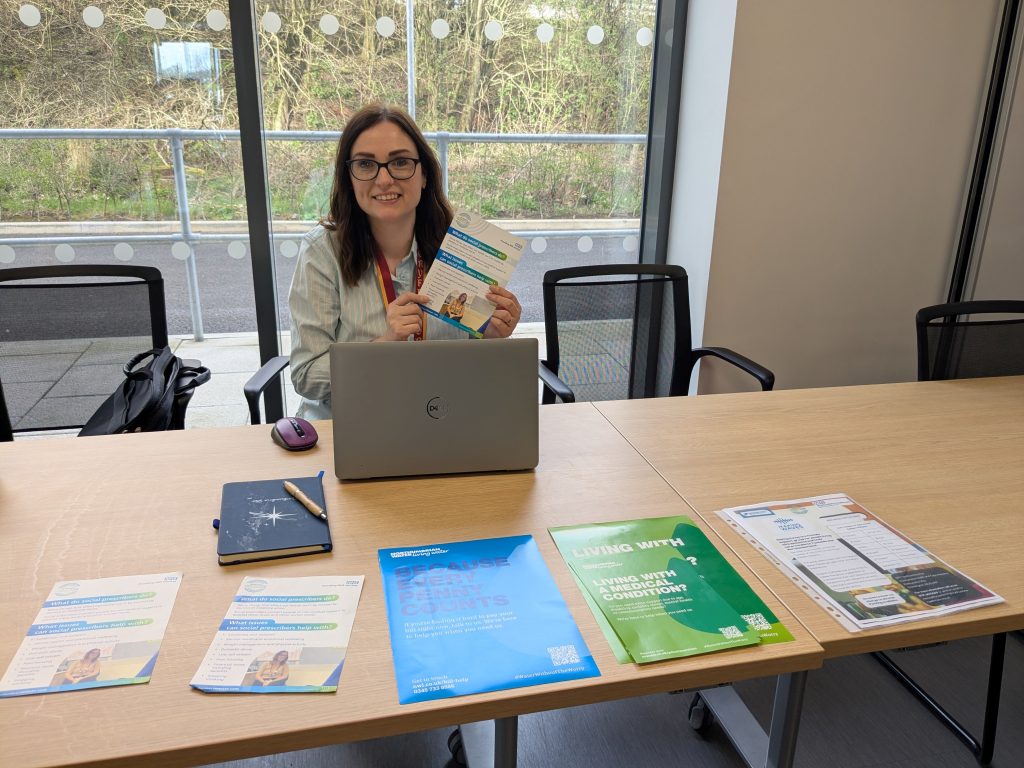
I began my career as a nurse assistant in a nursery, where I worked in childcare, which provided a strong foundation in caring for and supporting others. From there, I moved into the ambulance service as a call handler. That role was fast-paced and often intense, but it strengthened my ability to listen, stay calm under pressure, and support people in difficult moments.
I later joined NPC in an administrative role. During the COVID lockdown, my role shifted quite a bit as I became involved in supporting COVID clinics. I helped organise volunteers, coordinate clinics, and support patients through what was a very uncertain and challenging time. That experience reminded me how much I value direct contact with people and being able to make a difference in their day.
It was during this time that I realised I wanted to move back into a more patient-facing role. When the opportunity to become a social prescriber came up, I immediately felt it was right up my street. I’m so glad I took that step!
Growing up, I had a stammer, and I spent a lot of time working on managing it. That experience has stayed with me and shaped who I am. It’s given me a deep sense of empathy and understanding, especially for people who may feel unheard or lack confidence. I think that’s a big part of why I connect so well with the people I support.
Social prescribing is all about looking beyond a medical diagnosis. For example, if someone goes to their GP feeling depressed, they might be offered a social prescription. That’s where I come in. I work with individuals to understand what’s really going on in their lives. That can include housing issues, financial worries, loneliness, or a lack of social connection.
Social prescribing a holistic approach. I look at the whole person, not just a set of symptoms. I work alongside local partners and community services to help people access the right kind of support, empowering them to take control of their own health and wellbeing in a way that works for them.
What I love most about this role is the opportunity to truly support people. I’ve always been someone who roots for the underdog, and I think that comes from my own experiences. Sometimes, people just need someone in their corner. Someone to listen, to believe in them, and to say, “you can do this.” Being able to offer that support is incredibly fulfilling.